Treatment
What does an exercise physiologist do — and how is it different from physio?
6 June 2026 · 7 min read
An Accredited Exercise Physiologist prescribes exercise like medicine — for chronic conditions, cancer recovery, ongoing pain, and rebuilding strength after injury. Here's what they do, and how it differs from physiotherapy.
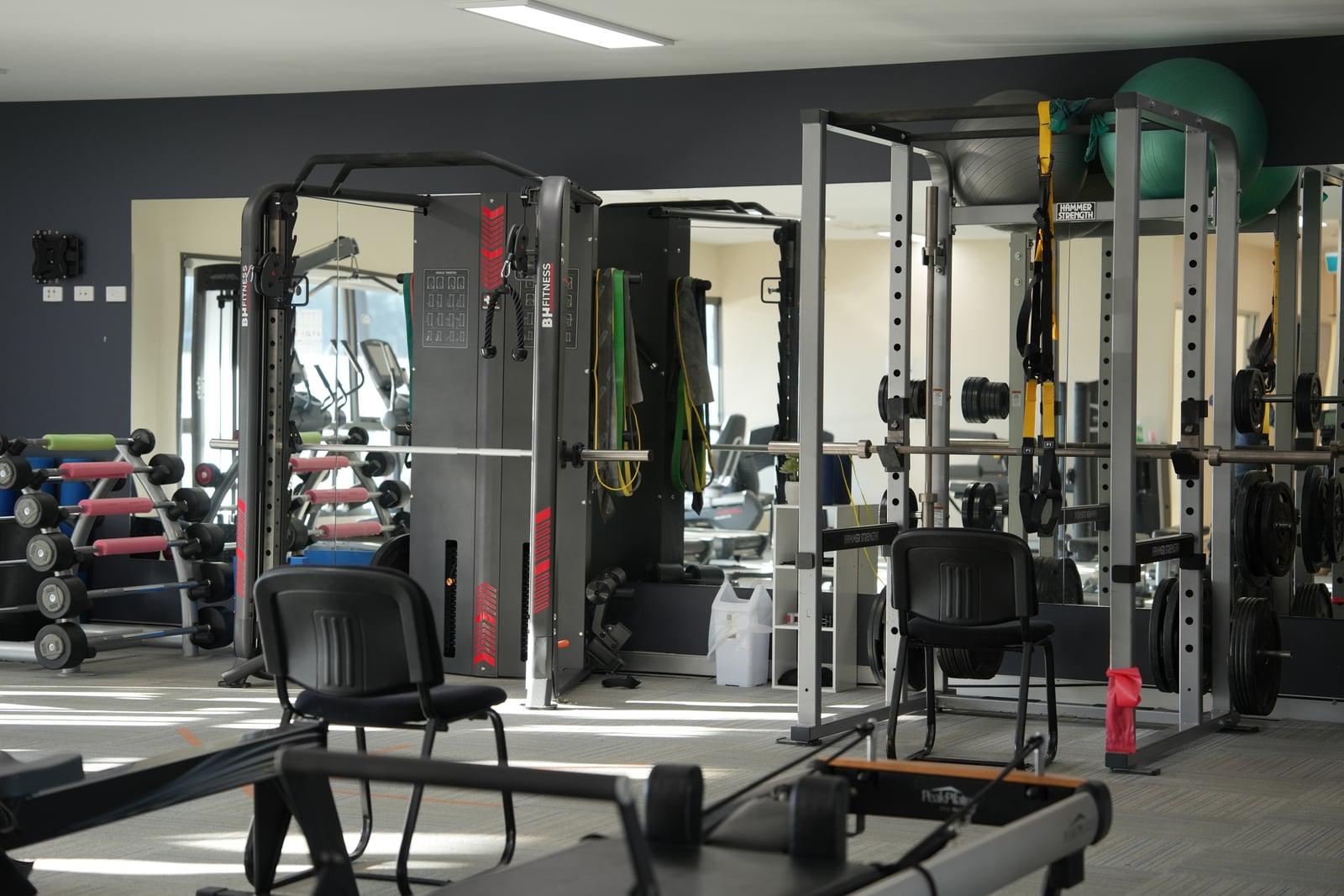
So what does an exercise physiologist actually do?
An Accredited Exercise Physiologist — an AEP, though most people just say EP — is a university-trained allied-health clinician who uses exercise as a form of treatment. Not exercise as general fitness, but exercise as medicine: a specific, measured dose of movement prescribed to manage a health condition, recover from an injury, or rebuild strength that's been lost.
EPs in Australia are accredited by Exercise & Sports Science Australia (ESSA) after four years of university and supervised clinical hours across areas like heart disease, cancer, diabetes, joints, the brain and nerves, and mental health. That clinical training is the part that sets an EP apart from a general exercise instructor — they're trained to work safely with people who have real medical conditions, not only healthy gym-goers.
In practice, an EP assesses where your body is right now — strength, movement, fitness, balance — writes a program pitched at the right level, then coaches and progresses it as you respond. The goal is usually something you can measure: steadier blood sugar, a knee that takes stairs again, the confidence to get off the floor without help.
Exercise physiology vs physiotherapy: the real difference
This is the question we're asked most, and the honest answer is that there's a lot of overlap — both are university-trained allied-health professions, both use exercise, and at our Goulburn clinic they often work on the same person at the same time.
The clearest way to think about it: a physiotherapist is usually who you see first, when something is fresh, painful, or needs diagnosing. Physios assess and diagnose the problem, use hands-on treatment to settle symptoms, and get early rehab moving. An exercise physiologist tends to take over later — for the longer build-back once the acute, painful stage has eased, and as the main discipline for chronic disease and the long recovery arcs that don't fit inside a short course of physio.
- Physiotherapy — diagnosis, hands-on treatment, and early-stage rehab for fresh injuries and pain
- Exercise physiology — prescribed exercise for chronic conditions, later-stage rehab, and long-term strength and conditioning
- Together — physio settles the injury and gets you moving; the EP builds the strength that keeps it settled
You usually don't have to choose
It isn't a competition, and for most people it isn't either-or. A common path is physio first for a knee or back problem, then EP once the pain has eased, to rebuild strength so the problem doesn't keep returning.
For chronic conditions like type 2 diabetes or heart disease, an EP may be the right first call — usually with your GP steering the overall plan. If you're not sure who to start with, that's a reasonable thing to ask, and either profession can point you to the other.
And an EP isn't a personal trainer either
Worth clearing up, because it's a common mix-up. A personal trainer holds a fitness-industry certificate and works with generally healthy people who want to get fitter or stronger. It's a useful role — but it isn't a clinical one, and personal training isn't a regulated health profession.
An exercise physiologist is a four-year university-trained clinician, registered with ESSA, and qualified to assess and prescribe exercise for diagnosed medical conditions, injuries, and chronic disease. That distinction matters if you've had a heart event, you're recovering from cancer treatment, you're managing diabetes, or you're rehabbing after surgery — situations where the wrong dose of exercise carries real risk and the right dose is genuinely treatment.
Who exercise physiology helps
EP suits people whose situation needs exercise dosed carefully rather than generally — usually because there's a medical condition, an injury, or a recovery in the mix. That covers a wide range of people:
- Chronic conditions — type 2 diabetes, heart disease, high blood pressure, COPD, arthritis and osteoporosis
- Cancer recovery — staying as strong and functional as possible during and after treatment
- Persistent pain — back, knee, hip and widespread pain, built back up gradually
- Injury and post-surgery rehab — the later strengthening stages after a knee, hip, shoulder or back
- Healthy ageing and falls prevention — leg strength, balance, and confidence on stairs
- Mental health — exercise as one part of a treatment plan, alongside your other supports
- NDIS participants — building physical capacity and independence toward your plan goals
How exercise physiology is funded
Exercise physiology is one of the allied-health services that can be funded through several pathways, so cost is rarely the thing that has to stop you. Which one applies depends on your situation:
- Medicare — if your GP sets up a Chronic Disease Management (CDM, formerly EPC) plan, you may be eligible for a set number of Medicare-rebated allied-health sessions each year, shared across the services in your plan. Your GP decides if you qualify.
- Private health — most extras policies include exercise physiology; the rebate depends on your level of cover
- WorkCover — where your injury is work-related and your claim covers it
- CTP (compulsory third party) — after a motor vehicle accident, where your insurer approves it
- DVA — for eligible veterans, on referral
- NDIS — where exercise physiology sits in your plan, usually under capacity building
When to check with your GP first
Exercise is safe for the large majority of people, including most people with heart conditions, a cancer history, or chronic disease — in fact it's often exactly what's recommended. The reason to see an EP rather than start on your own is that the dose gets matched to you and to any conditions you have.
There are still times to speak to your GP before starting, or to seek prompt medical care rather than pushing through:
- New or unexplained chest pain, pressure, or tightness — treat this as urgent and seek medical care
- Fainting, blackouts, or unexplained dizziness
- A recent heart event, surgery, or a significant change in a health condition — get clearance first
- Sudden or severe shortness of breath, or a new irregular heartbeat
- New weakness, numbness, or a loss of bladder or bowel control — seek prompt care
What to expect at your first EP appointment in Goulburn
Your first session at our Goulburn clinic is a working appointment, not just a chat. It starts with the medical picture — your diagnosis, other conditions, medications, any surgery you've had, and whatever your GP or specialist has written. Recent test results, scans, and any heart, cancer, or surgical clearances get read into the plan.
From there the EP tests where you're actually at — strength, movement, fitness, and balance, chosen for what matters to your goal — and uses those numbers to set the starting dose and track progress later. It isn't a fitness test; it's a baseline.
Then you start. You'll leave with a program pitched at your level and a clear idea of how often to come in and what to do in between. For chronic disease or complex cases, your EP works alongside our Goulburn physios, dietitians and psychologists — shared notes, one coordinated plan. If you'd like to book, or you're just not sure EP is the right fit, get in touch with our Goulburn clinic and we'll point you the right way.
Where this fits