Condition
Lower back pain: what actually helps, and when to see a physio
5 June 2026 · 6 min read
Most lower back pain settles with the right movement and a bit of time. Knowing what helps, what doesn't, and when to get it checked is what makes the difference.
How common is it, really?
Lower back pain is one of the most common reasons people see a physiotherapist — most of us will have at least one episode in our lives. That's worth saying up front, because the fear that something is seriously wrong often makes the pain worse than it needs to be.
The reassuring part: the large majority of lower back pain is not caused by serious damage, and most episodes settle over a few weeks. Knowing that changes how you approach it.
What causes lower back pain
Often there isn't a single tidy cause. The muscles, joints, discs, and nerves of the lower back all work together, and pain can come from any of them — usually a combination, set off by a change in load: a heavier week than usual, a long drive, a new job, a poor night's sleep, or simply doing less than your body was used to.
This is what clinicians call "non-specific" low back pain — non-specific meaning we can't pin it on one structure, not that it isn't real. Stress, sleep, and how much you've been moving all feed into it.
What actually helps — and what doesn't
The single most useful thing for most people is to keep moving. Gentle, regular movement — walking, changing positions, easing back into normal activity — tends to settle things faster than rest. Prolonged bed rest, once standard advice, is now known to slow recovery.
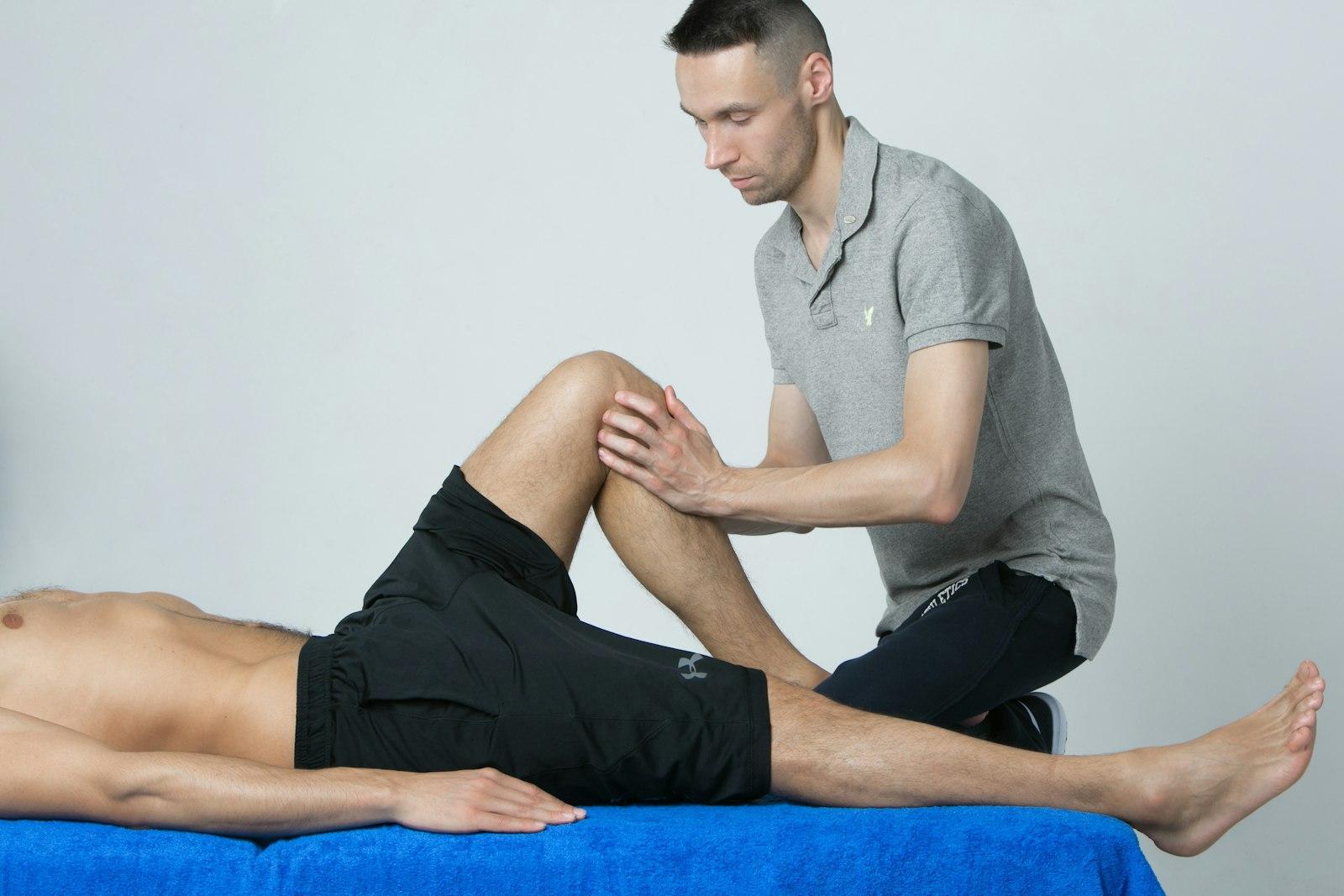
Loading the back gradually — building back up to your normal activity rather than avoiding it — is what retrains it to cope. Heat, staying at work where you can, and a short-term plan you actually follow all help. Hands-on treatment and specific exercise can take the edge off and get you moving sooner, but they work best alongside your own movement, not instead of it.
- Keep moving within comfort — gentle activity beats rest
- Build load back gradually rather than avoiding movement
- A scan usually isn't needed in the first several weeks (see below)
- Passive treatment alone rarely fixes it — movement is the active ingredient
Red flags — when to get it checked promptly
A small number of back-pain presentations need prompt medical attention. See a GP or, for the first group, go to an emergency department if you notice any of the following alongside your back pain:
- Loss of bladder or bowel control, or numbness around the groin/saddle area — seek emergency care
- Unexplained weight loss, fever, or feeling generally unwell with the pain
- A significant fall or accident that caused it
- Weakness, numbness, or pins and needles that is spreading or getting worse
- Pain that is severe, constant, and unrelieved by any position
How physiotherapy helps
A physiotherapist's job with back pain is to work out what's driving it, rule out the things that matter, and give you a clear, staged way back to normal. That usually means an assessment of how your back moves, hands-on treatment to ease symptoms, and — most importantly — exercise matched to where you're at and progressed as you improve.
Just as much of it is explanation: understanding why it hurts, what's safe to do, and what to expect takes a lot of the fear out of it, and that alone helps recovery.
What to expect at your first appointment in Goulburn
Your first appointment is a working session. We take the history, look at how you move, check the things that need checking, and build a plan with you — then start treatment in the same visit rather than sending you away to book another one.
For pain that's been hanging around or keeps coming back, we'll often bring exercise physiology in to build the longer-term strength and conditioning that keeps it settled.
Where this fits